Author name: admin

Uncategorized

Battery Energy Storage Systems (BESS): India’s Next Strategic Industry After Solar | NextBrio Group

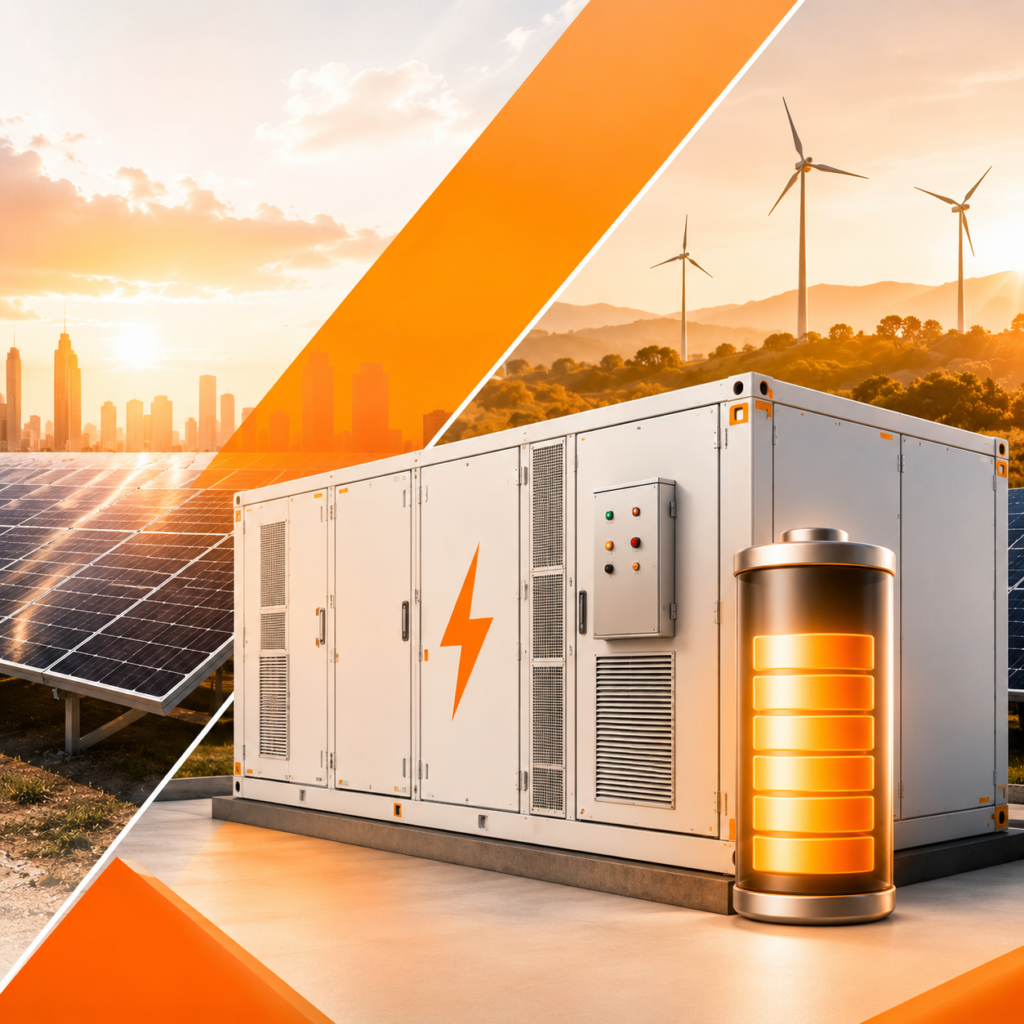
Battery Energy Storage Systems (BESS): India’s Next Strategic Industry After Solar India has emerged as one of the world’s fastest-growing renewable energy markets, with solar power leading the country’s transition toward clean energy. However, as renewable energy adoption continues to grow, one major challenge remains—energy storage. Solar energy is available only during daylight hours, while electricity demand continues around the clock. This is where Battery Energy Storage Systems (BESS) become a game-changing technology. Battery Energy Storage Systems are expected to become India’s next strategic industry after solar manufacturing. With increasing government support, rising renewable energy capacity, and significant investments from both domestic and global players, BESS is poised to play a crucial role in achieving India’s clean energy and net-zero ambitions. What is a Battery Energy Storage System (BESS)? A Battery Energy Storage System (BESS) is an advanced technology that stores electricity generated from renewable energy sources such as solar and wind. The stored energy can be supplied back to homes, industries, commercial establishments, or the electricity grid whenever required. In simple terms, a BESS acts like a large rechargeable battery that stores excess electricity during periods of high generation and delivers it when demand increases or renewable generation decreases. This capability helps create a stable, reliable, and efficient electricity supply. Why Does India Need Battery Energy Storage Systems? India has set ambitious renewable energy targets and continues to rapidly expand solar and wind power generation. However, renewable energy is naturally intermittent because sunlight and wind are not available throughout the day. Battery Energy Storage Systems help overcome this limitation by: Storing excess solar energy generated during daytime. Providing electricity during night time. Reducing dependency on conventional fossil-fuel power plants. Improving grid stability. Supporting uninterrupted power supply during peak demand. As India’s renewable energy capacity increases, energy storage will become equally important. How Does BESS Work? The working principle of a Battery Energy Storage System is simple: Solar panels or wind turbines generate electricity. Excess electricity charges the battery system. Battery Management Systems (BMS) monitor battery health and performance. During power demand or low renewable generation, stored electricity is supplied through an inverter. The electricity is delivered to homes, businesses, industries, or the national grid. This process ensures efficient utilization of renewable energy throughout the day. Key Benefits of Battery Energy Storage Systems 1. Reliable Power Supply BESS provides uninterrupted electricity during grid failures, power outages, or peak demand periods. 2. Better Utilization of Solar Energy Instead of wasting surplus solar power, the energy is stored and used later when required. 3. Grid Stability Battery storage balances electricity supply and demand, reducing fluctuations in voltage and frequency. 4. Lower Electricity Costs Consumers and businesses can store electricity when tariffs are lower and use it during expensive peak hours. 5. Supports Renewable Energy Integration Energy storage enables higher penetration of solar and wind energy into the electricity grid. 6. Environmental Sustainability Battery storage reduces dependence on diesel generators and fossil fuel-based power generation, leading to lower carbon emissions. Applications of Battery Energy Storage Systems Battery Energy Storage Systems are finding applications across multiple sectors. Residential Sector Rooftop solar energy storage Backup power during outages Smart home energy management Commercial Buildings Peak demand management Energy cost optimization Reliable backup power Industrial Sector Manufacturing facilities Data centers Warehouses Large industrial operations Utility Scale Projects Grid balancing Renewable energy integration Frequency regulation Load shifting Electric Vehicle Infrastructure Fast charging stations Charging load management Renewable-powered EV charging networks Government Initiatives Driving BESS Growth The Government of India has identified Battery Energy Storage Systems as a strategic priority for strengthening the country’s energy infrastructure. Several initiatives are supporting this transition: Promotion of renewable energy integration. Development of domestic battery manufacturing. Investments in grid modernization. Encouragement of energy storage deployment. Support for advanced battery technologies. Strengthening the “Make in India” manufacturing ecosystem. These initiatives are expected to significantly accelerate India’s battery manufacturing industry over the coming years. Business Opportunities in India’s BESS Industry The BESS ecosystem creates opportunities for multiple stakeholders. Manufacturers Battery manufacturing Battery pack assembly Battery Management Systems Power electronics EPC Companies Battery installation System integration Commissioning services Renewable Energy Companies Solar plus storage solutions Hybrid renewable energy projects Service Providers Annual Maintenance Contracts (AMC) Remote monitoring System diagnostics Technical support As the market expands, demand for skilled professionals and technology providers will continue to increase. Challenges Before the Industry Despite its strong growth potential, the BESS sector faces certain challenges: High initial investment costs Dependence on imported battery materials Recycling and end-of-life battery management Limited domestic manufacturing capacity Need for skilled workforce Rapid technological evolution Addressing these challenges will require collaboration between government, manufacturers, technology companies, and research institutions. The Future of Battery Energy Storage in India India’s renewable energy journey is entering its next phase. While solar power has transformed electricity generation, Battery Energy Storage Systems will transform how energy is stored, managed, and utilized. As battery costs continue to decline and technology advances, BESS will become an integral part of residential, commercial, industrial, and utility-scale energy infrastructure. Industry experts anticipate significant growth in energy storage deployment over the next decade, making BESS one of India’s most promising strategic industries. For manufacturers, investors, policymakers, and renewable energy companies, the coming years present an excellent opportunity to participate in building a cleaner, more resilient, and energy-secure India. Conclusion Battery Energy Storage Systems are no longer an emerging technology—they are becoming a fundamental component of India’s clean energy ecosystem. By enabling efficient renewable energy utilization, improving grid reliability, reducing electricity costs, and supporting sustainable development, BESS is positioned to become India’s next strategic industry after solar. As India moves toward its long-term renewable energy and net-zero goals, organizations that invest in innovation, quality, and advanced energy storage solutions will play a critical role in shaping the future of the country’s energy landscape.

Uncategorized

Why Manufacturing TOPCon Solar Cells Demands Semiconductor-Level Precision

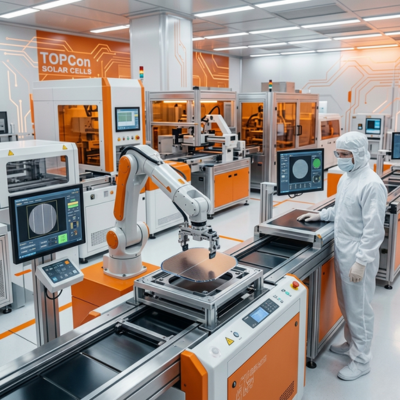
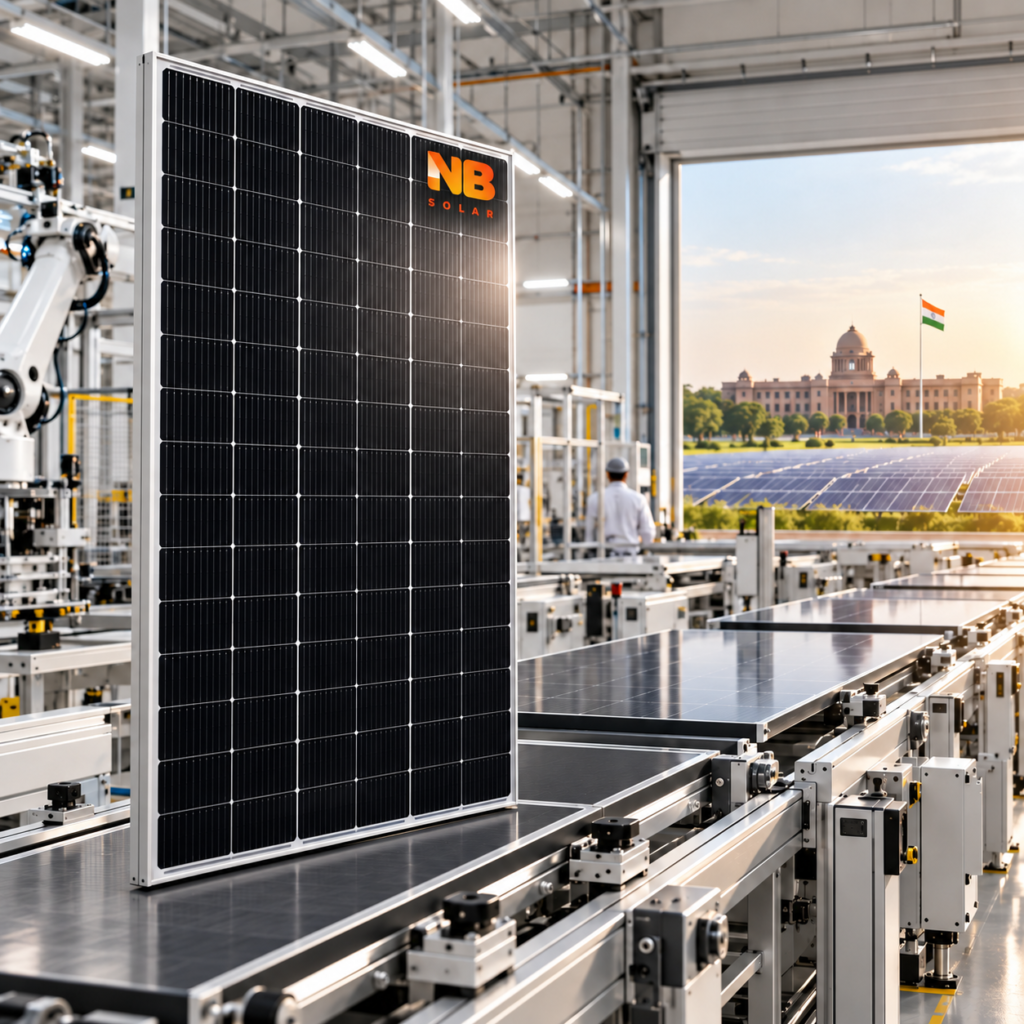
Why Manufacturing TOPCon Solar Cells Demands Semiconductor-Level Precision The solar industry is evolving rapidly, and TOPCon (Tunnel Oxide Passivated Contact) technology has emerged as the next generations of high-efficiency solar cells. While many people focus on the wattage of a solar panel, the real innovation happens much earlier—during the manufacturing of the solar cells themselves. Creating a TOPCon solar cell is a highly sophisticated process that requires the same level of precision used in semiconductor manufacturing. Every nanometer, every micron, and every production step play a crucial role in delivering higher efficiency, better performance, and long-term reliability. Let’s explore why TOPCon solar cell manufacturing is considered one of the most advanced engineering processes in the renewable energy industry. The Shift from PERC to Advanced TOPCon Technology Traditional PERC (Passivated Emitter and Rear Cell) technology has served the solar industry well for years. However, TOPCon technology represents a major leap forward by reducing energy losses and improving the flow of electricity within the solar cell. This advancement allows TOPCon cells to achieve higher conversion efficiency, better low-light performance, and improved durability, making them an ideal choice for modern residential, commercial, and industrial solar installations. The secret behind these advantages lies in the sophisticated manufacturing techniques used to build each solar cell. Precision Manufacturing at the Nanometer Level Manufacturing a TOPCon solar cell is far more complex than assembling a standard solar panel. It involves several highly controlled processes that demand extreme precision. Some of the critical manufacturing steps include: Formation of an ultra-thin tunnel oxide layer measuring only 1–2 nanometers Doped polysilicon deposition using Low Pressure Chemical Vapor Deposition (LPCVD) Surface passivation through PECVD silicon nitride coating High-precision laser processing Fine-line metallization for efficient electrical conductivity Even the slightest variation in temperature, material thickness, diffusion profile, or electrical contact resistance can affect the cell’s efficiency. That’s why manufacturers maintain exceptionally tight process controls throughout production. AI-Powered Quality Control Ensures Superior Performance Modern TOPCon manufacturing facilities rely heavily on automation and artificial intelligence to maintain consistent quality. Advanced quality assurance technologies include: AI-driven Quality Assurance systems Inline Electroluminescence (EL) Imaging to detect microscopic defects Automated Optical Inspection (AOI) Real-time Statistical Process Control (SPC) These intelligent systems detect even the smallest imperfections before the cells move to the next stage of production. This results in higher manufacturing yield, improved reliability, and consistently high-performing solar panels. Additionally, laser-assisted metallization helps reduce silver consumption while enhancing electrical performance, making the manufacturing process both efficient and cost-effective. Why Every Nanometer Matters in Solar Cell Manufacturing The performance of a solar panel begins with the quality of its solar cells. In TOPCon manufacturing, even a microscopic defect can impact energy generation over the panel’s lifetime. That’s why every nanometer of tunnel oxide, every micron of metallization, and every production parameter is carefully monitored and optimized. This semiconductor-level precision enables manufacturers to produce millions of high-efficiency solar cells that deliver reliable performance for over 25 years. Final Conclusions TOPCon technology is redefining the future of solar energy by combining advanced semiconductor engineering with precision manufacturing. From ultra-thin tunnel oxide formation and AI-driven quality inspection to predictive maintenance and Six Sigma process control, every stage of production is designed to maximize efficiency and reliability. As the demand for clean energy continues to grow, choosing solar panels built with TOPCon technology means investing in superior performance, higher energy generation, and long-term value. Behind every high-performing solar panel is a manufacturing process where precision is not just important—it’s essential.

Uncategorized

Why Solar Rooftop is the Best Investment in 2026 | You Still Have Time

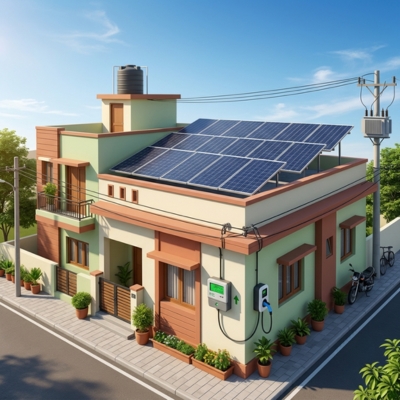
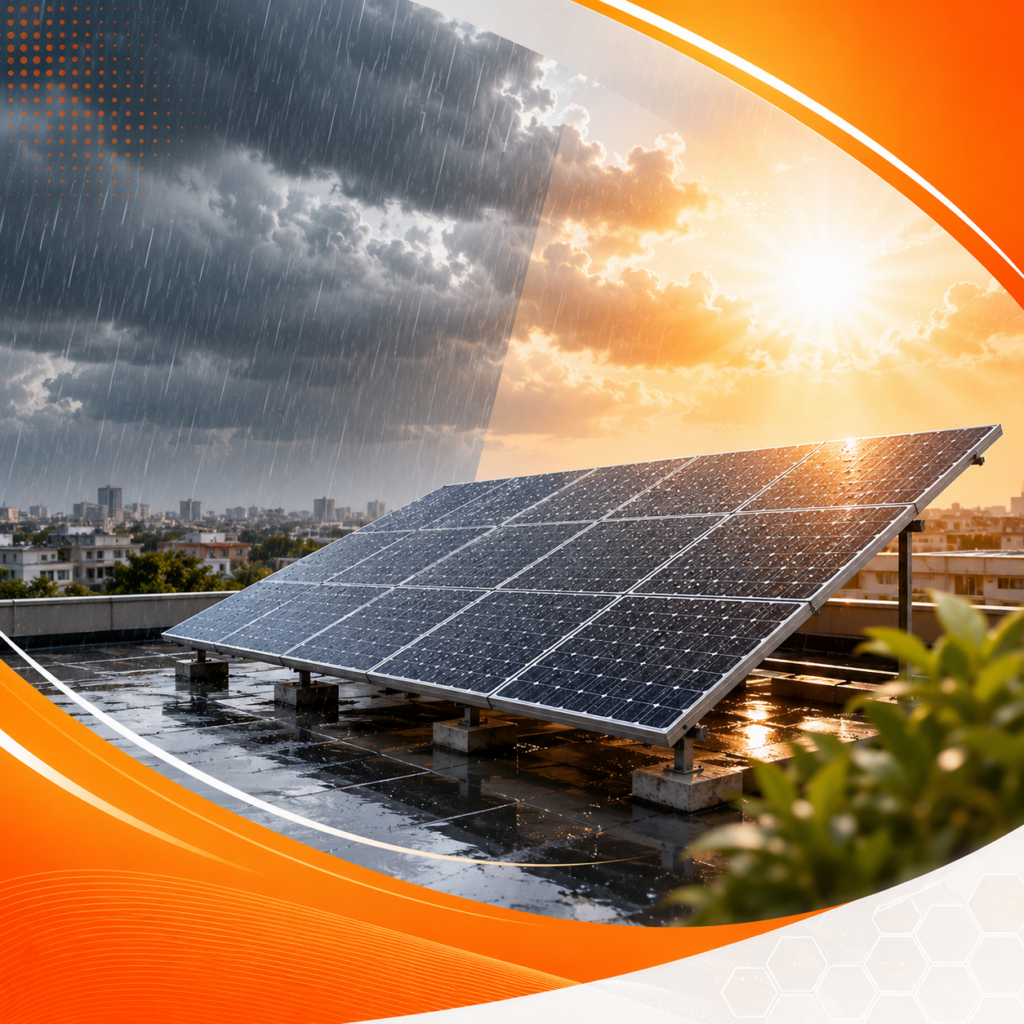
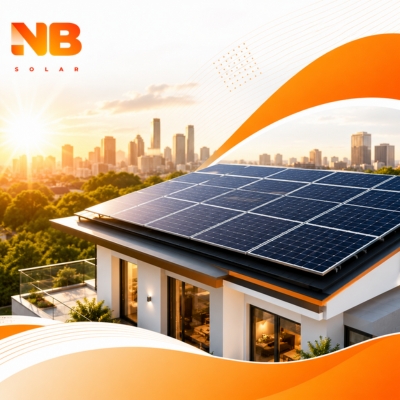
Why Solar Rooftop is the Best Investment in 2026 Electricity costs are rising every year, while the demand for clean and reliable energy continues to grow. In 2026, investing in a solar rooftop system is no longer just an eco-friendly decision—it’s one of the smartest financial investments for homeowners and businesses alike. A rooftop solar system helps you generate your own electricity, reduce your monthly power bills, increase your property value, and contribute to a greener future. Whether you own a home, a commercial building, a school, a hospital, or an industrial facility, solar power offers long-term savings with minimal maintenance. Let’s explore why 2026 is the perfect time to invest in solar rooftop solutions. Save Big on Electricity Bills One of the biggest advantages of installing a solar rooftop system is significant savings on electricity expenses. Solar panels convert sunlight into electricity that powers your home or business during the day. This means you purchase less electricity from the grid, resulting in lower monthly electricity bills. Depending on your energy consumption and system size, you can save up to 70–90% on your electricity costs. Over the lifetime of the system, these savings can amount to several lakhs of rupees. For businesses with high power consumption, solar can greatly reduce operational costs and improve overall profitability. Excellent Return on Investment Unlike many investments that fluctuate with market conditions, solar rooftop systems provide predictable financial returns. Most solar systems recover their installation cost within 3–6 years, depending on electricity consumption and local policies. Since quality solar panels typically last 25 years or more, the remaining years generate virtually free electricity. This makes solar one of the few investments that continues to deliver financial benefits every single day. Low Maintenance With Long Term Performance Modern solar panels are built to withstand harsh weather conditions and require very little maintenance. Basic cleaning and routine inspections are usually enough to maintain optimal performance. Annual Maintenance Contracts (AMC) can further ensure that your system operates efficiently throughout the year. With professional maintenance, you can maximize energy generation while extending the lifespan of your solar investment. Increase Your Property Value A property equipped with a solar rooftop system becomes more attractive to buyers and investors. Homes and commercial buildings with lower electricity expenses often command better resale value. Buyers recognize the long-term savings and environmental benefits associated with solar installations. Installing solar today is not just an upgrade—it’s an investment that adds lasting value to your property. Why 2026 is the Right Time to Go Solar Several factors make 2026 an ideal year for solar adoption: Rising electricity tariffs increase monthly savings. Improved solar technology offers better efficiency than ever before. Quality solar panels now deliver higher performance with longer warranties. Growing awareness of renewable energy makes solar a future-ready investment. Increasing demand for energy independence encourages homeowners and businesses to generate their own power. Waiting longer often means paying higher electricity bills while missing years of potential savings. Conclusion A solar rooftop system is more than just an energy solution—it’s a long-term investment in financial security, sustainability, and energy independence. Whether your goal is to reduce electricity bills, improve your property’s value, or contribute to a cleaner environment, solar delivers benefits that continue for decades. If you’re planning to switch to solar in 2026, now is the perfect time to consult a trusted solar provider, assess your energy needs, and begin your journey toward smarter, greener energy. Ready to invest in solar? Contact our team today for a free consultation and discover the ideal solar rooftop solution for your home or business.

Uncategorized

Why Annual Maintenance of Solar Panels is Important ?

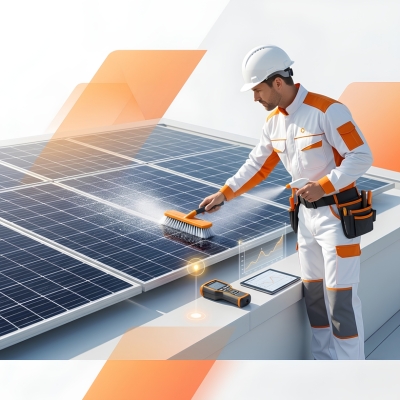
Annual Maintenance Contract (AMC) for Solar Systems Protect Your Investment and Maximize Energy Generation Why Solar Systems Need Regular Maintenance Installing a solar power system is a long-term investment that provides clean energy and significant savings on electricity bills. However, many solar plant owners assume that solar systems are completely maintenance-free. While solar panels are highly durable and designed to operate for over 25 years, regular maintenance is essential to ensure optimal performance and longevity. A solar system that goes without maintenance can lose 10%–20% of its energy output within 3–5 years, leading to annual generation losses of approximately 7,000 to 10,000 kWh. For example, a 5KW solar plant can incur yearly losses of approximately INR 19,000 due to reduced efficiency and lower energy generations. Additionally, lack of maintenance increases the risk of panel degradation, loose electrical connections, and expensive inverter breakdowns, resulting in unexpected repair costs. This is why a professional Annual Maintenance Contract (AMC) is highly recommended for every solar system owner. What is Solar AMC ? An Annual Maintenance Contract (AMC) is a preventive maintenance service designed to enhance the performance, reliability, and lifespan of solar assets. Unlike warranty claims that cover manufacturing defects or reactive repair calls that address existing faults, AMC focuses on preventing problems before they occur. A solar AMC covers everything that a warranty does not, including: Professional module cleaning Preventive maintenance inspections Generation performance monitoring Electrical health checks Inverter inspections Cable and connector assessments Early fault detection and correction Regular maintenance can improve system efficiency by up to 30%, helping solar owners maximize returns on their investment while ensuring uninterrupted energy generation. Scope of AMC Services A comprehensive AMC from NextBrio Group includes the following services: Panel Cleaning Solar panels are cleaned using soft brushes and spray guns with deionized cleaning solution to ensure safe and effective removal of dust, dirt, and other contaminants. Pre-cleaning and post-cleaning photographs are provided for verification. Generation Performance Report Monthly or quarterly performance reports compare actual energy generation against expected output, helping identify performance deviations and efficiency losses. String Performance Analysis Output currents across parallel strings are analyzed to identify underperforming modules or strings. This critical check alone can prevent 30–40% of long-term generation losses. Spare Support NextBrio provides direct supply of connectors, wires, insulators, panel replacements, and other required spares from its inventory. Spare parts are charged on an actual basis against GST invoices. Health Check Up Charges ( One time) Features 1KW-4KW 5KW-10KW 10KW & Above Health Check-up of Solar System Rs. 299 Rs.499 Rs.799 Performance & Analysis Report will be given based on actual basis. Annual Maintenance Contract Packages 1KW – 3KW Systems Features Silver Gold Preventive Maintenance Visits/Year 3 6 Specialized Module Cleaning/Year 3 6 On Call Support Yes Yes Performance & Analysis Report – Yes Discount on Spare – 10% Break Down Maintenance 3 Working Days 2 Working Days Rates INR 2999/- INR- 4999/ (Introductory Offer 20% Discount) 4KW – 10KW Systems Features Silver Gold Preventive Maintenance Visits/Year 3 6 Specialized Module Cleaning/Year 3 6 On Call Support Yes Yes Performance & Analysis Report – Yes Discount on Spare – 10% Break Down Maintenance 3 Working Days 2 Working Days Rates INR 3499/- INR- 5499/ (Introductory Offer 20% Discount) Warranty Does Not Cover Everything Many customers believe their product warranty protects them against every issue. This is a common misconception. Warranty Covers Manufacturing Defects Product failures under specified conditions AMC Covers Regular cleaning Preventive inspections Performance optimisation Electrical safety checks Early fault detection System efficiency improvement Routine servicing and maintenance What Is Included In NextBrio AMC Our Comprehensive AMC include Multiple professional panel cleaning visits every year Annual inverter preventive health check Complete AC/DC cable inspection Earthing and electrical safety inspection Mounting structure inspection Generation performance analysis Preventive maintenance report System health report Recommendations for performance improvement Priority customer support Why To Choose NextBrio Group By enrolling in our AMC, you benefit from: Up to 30% improvement in system efficiency (depending on site conditions) Higher annual electricity generation Faster return on your solar investment Longer equipment life Reduced risk of inverter failures Lower maintenance and repair costs Improved safety and reliability Complete peace of mind Terms & Conditions Preventive visits concurrent with module cleaning visits. In Silver package, one visit every 4 months; Gold package, one visit every 2 months shall be offered. Please refer to the detailed terms & conditions applicable to each of the features mentioned above. Any visit beyond the maximum mandated as per the chosen package shall be on a chargeable basis of INR500/-. In case of Inverter breakdown. Complaint will be logged with the OEM. For INVT Inverter repairing will be done in 3 to 4 days. All payments to be done in advance. G.S.T charges are applicable on above rates. Spare parts will be charged on actual basis. Loading…

Scroll to Top