Uncategorized

Uncategorized

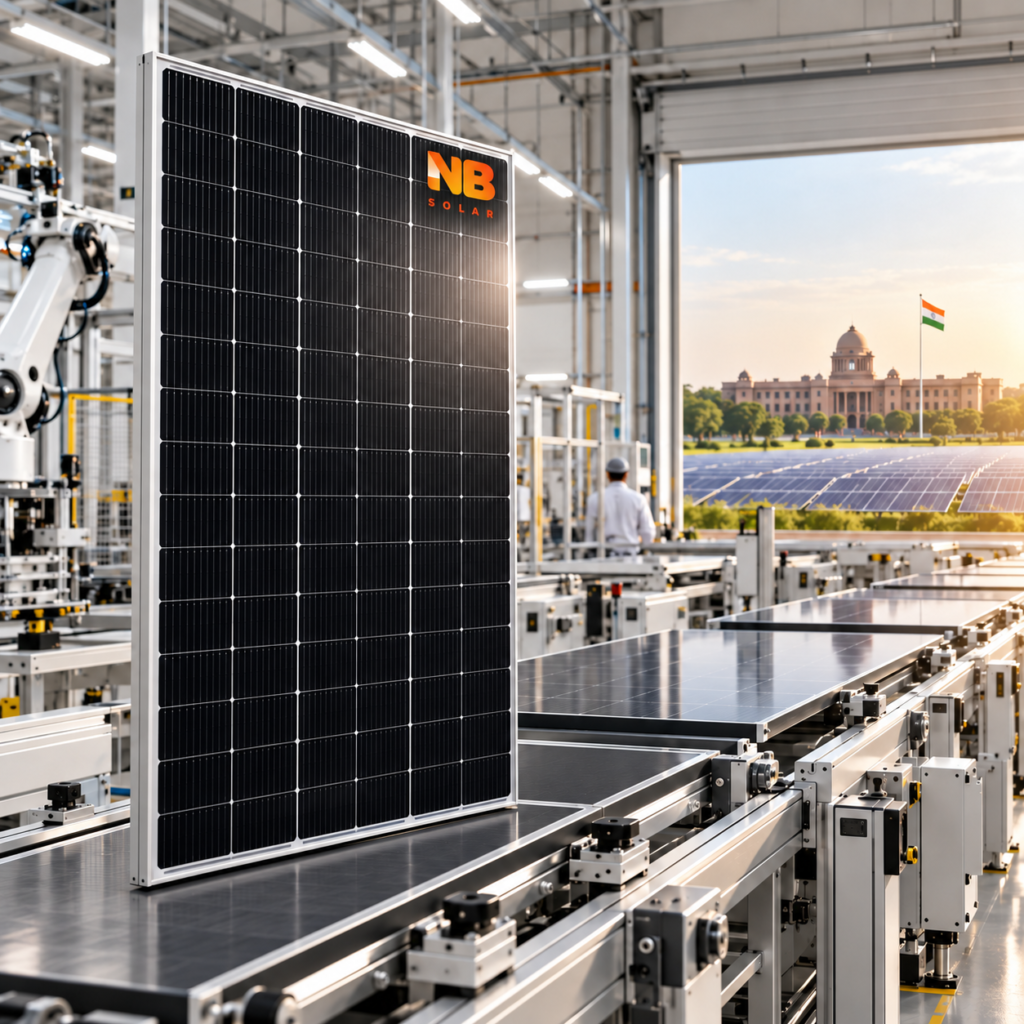
NextBrio Group: Premium PV Module Manufacturer for Government Solar Tenders

NextBrio Group: A Premium PV Module Manufacturer Ready for Government Solar Tenders India’s solar expansion is creating a growing need for dependable, compliant and accountable photovoltaic module manufacturers. Government departments, public sector undertakings, municipal bodies and EPC contractors do not require panels alone; they need manufacturing partners capable of supporting technical documentation, quality assurance, timely supply and long-term project performance. Established in 2019, NextBrio Group is a premium PV module manufacturer serving India’s residential, commercial, industrial and institutional solar requirements. With approvals under applicable UPNEDA and MNRE requirements, together with BIS-certified and ALMM-listed panels, the company is prepared to participate in eligible government solar tenders and collaborate with EPC companies, system integrators and authorised project partners. Why Government Solar Projects Need a Manufacturer-First Approach A government solar project is evaluated on more than the quoted price per watt. Procuring authorities and EPC bidders must also examine module efficiency, applicable standards, warranty commitments, bankability, delivery capability and post-supply support. Any weakness in these areas can affect commissioning schedules, inspection approvals and the long-term energy output of the project. Working directly with a PV module manufacturer creates a clearer chain of responsibility. Technical questions can be addressed at the source, product specifications can be aligned with the tender, and documentation can be prepared without depending on multiple intermediaries. Direct manufacturer support also improves coordination when a project requires phased deliveries, batch-level information, serial-number records or clarification during inspection. For public projects, this traceability is particularly important because every supplied module should correspond with the approved bill of materials, technical datasheet and applicable tender conditions. Manufacturing Excellence Built Since 2019 NextBrio Group has been working in the renewable-energy sector since 2019 with a focus on reliable, technologically advanced and quality-driven solar solutions. As a manufacturer, the company understands that consistent performance begins long before a module reaches the project site. The manufacturing approach covers careful material selection, controlled production processes, electrical testing, visual inspection, safe packaging and systematic dispatch planning. These controls help maintain uniformity across module batches and reduce avoidable challenges during installation and commissioning. For government and institutional buyers, manufacturing discipline translates into practical advantages: predictable specifications, organised documentation and a clearly identified company responsible for product-related support. NextBrio’s role is therefore not limited to supplying modules. The company aims to contribute to dependable project execution throughout the procurement, manufacturing and delivery cycle. Compliance Credentials That Support Public Procurement ompliance is central to government solar procurement. NextBrio Group offers BIS-certified and ALMM-listed solar panels and holds relevant UPNEDA and MNRE approvals as stated in its company credentials. These qualifications demonstrate the company’s focus on meeting recognised quality and programme requirements. BIS certification confirms conformity with applicable Indian safety and performance standards. ALMM listing is especially important because MNRE states that only eligible models and manufacturers included in ALMM List-I may be used in government projects, government-assisted projects and specified schemes. Where a tender carries Domestic Content Requirement provisions, the offered configuration must also satisfy the DCR conditions applicable to that scheme or procurement. DCR requirements generally focus on using domestically manufactured solar cells and modules in specified government-supported projects. How NextBrio Group Can Support Government Tender Requirements Government tenders usually demand structured technical and commercial submissions. Depending on the tender scope, NextBrio Group can support eligible bidders and procurement authorities with module datasheets, applicable certificates, warranty documents, model details, manufacturing credentials and other product-related records required for evaluation. The company is open to supplying PV modules for rooftop, ground-mounted and distributed solar applications, subject to the capacity, technology and technical conditions defined in the tender. Engagement may take place directly as a manufacturer or in coordination with qualified EPC contractors, system integrators and channel partners wherever the bid structure permits. NextBrio also recognises that a successful supply commitment requires realistic production planning. Tender quantity, delivery location, inspection stages, packaging standards, project schedule, payment terms and performance-security obligations must be reviewed before confirmation. This disciplined assessment protects both the procuring organisation and the implementation partner from unrealistic promises. Open for Government Solar Tenders and Long-Term Partnerships NextBrio Group welcomes opportunities to participate in central and state government solar tenders, PSU procurements, institutional projects and EPC supply requirements across India. Every opportunity will be evaluated against its eligibility criteria, technical specifications, commercial conditions and delivery schedule. The company’s objective is not simply to become the lowest-priced supplier. It aims to offer a responsible combination of compliant products, transparent documentation, manufacturing accountability and dependable support. This approach is particularly valuable for public projects, where product performance and documentation may be reviewed years after installation. For government departments and project partners seeking a premium PV module manufacturer, NextBrio Group is ready to discuss tender-specific requirements and develop a supply proposal aligned with the bid documents. Organisations may share their tender notice, bill of quantities, module specifications, delivery schedule and inspection conditions for a structured technical review. As India builds its clean-energy infrastructure, reliable domestic manufacturing will remain essential. NextBrio Group is prepared to contribute with compliant solar modules, disciplined execution and partnerships designed to create long-term public value.
Uncategorized

PM Surya Ghar Yojana 2026: Rooftop Solar Cost, Subsidy, Savings & ROI Explained

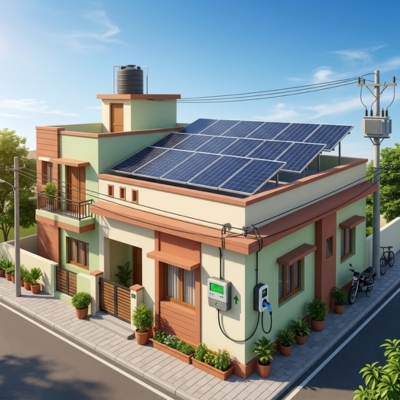
PM Surya Ghar in 2026: Is Rooftop Solar Still Worth It for Indian Homes? In 2026, rooftop solar is not simply a question of lower power bills; the system must be sized, financed and documented correctly. Under PM Surya Ghar: Muft Bijli Yojana, the central rooftop solar subsidy lowers the investment, while roof conditions, electricity usage and equipment quality determine the return. The short answer is yes for many Indian homes with a largely shade-free roof, a valid residential electricity connection and plans to remain in the property for at least five to seven years. However, a ‘zero bill’ is not guaranteed. Fixed charges, seasonal generation and your DISCOM’s import-export accounting still matter. Is rooftop solar still worth it for Indian homes in 2026? Rooftop solar is a photovoltaic system installed on a building that converts sunlight into electricity for the home; a grid-connected inverter synchronises that power with the utility supply. For households paying roughly ₹6 or more per unit, a well-designed 3kW solar system or 5kW system can commonly recover its post-subsidy cost in about five to seven years. From a manufacturer’s perspective, the biggest forecasting mistake is focusing only on panel wattage. Savings depend more on unshaded generation, daytime consumption, tariff slabs, export credit and dependable support. The Government reported 39,72,447 rooftop systems installed by 22 July 2026, covering more than 48 lakh households What rooftop solar subsidy is available under PM Surya Ghar Yojana 2026? As of 8 August 2026, the official PM Surya Ghar portal lists central financial assistance of ₹30,000 per kW for the first 2kW and ₹18,000 for the next 1kW. The maximum subsidy is therefore ₹78,000 for an individual household, even when the installed capacity exceeds 3kW. A 3kW system receives ₹60,000 + ₹18,000 = ₹78,000; a 5kW system also receives a maximum of ₹78,000. The phrase ‘up to 300 units of free electricity’ is often misunderstood. It does not mean every applicant automatically receives a 300-unit waiver. It describes the bill-reduction potential of a suitably sized system. Actual savings vary with sunlight, consumption timing, net-metering rules and fixed charges. How do homeowners apply for the solar panel subsidy in India? Register on pmsuryaghar.gov.in using your state, DISCOM, electricity consumer number and mobile details. Submit the rooftop solar application and proposed capacity; obtain feasibility approval where your DISCOM requires it. Compare registered vendors and insist on an itemised proposal covering modules, inverter, structure, safety equipment, taxes, metering, warranties and timeline. Install portal-eligible equipment, then upload the plant details and request DISCOM inspection and net-meter commissioning. After commissioning, submit accurate bank details and redeem the central financial assistance; the approved subsidy is transferred to the consumer’s account. Retain the invoice, module and inverter serial numbers, commissioning report, photographs, warranties and generation-monitoring login. Rooftop solar cost, monthly savings and solar panel ROI: 3kW vs 5kW Residential quotations vary by city, roof height, module technology, inverter brand, structure and cable route. This example uses gross prices of ₹2.10 lakh for 3kW and ₹3.30 lakh for 5kW. Treat these as planning assumptions, not a universal price list. Metrics 3KW Home System 5KW Home System Illustrative gross cost ₹2,10,000 ₹3,30,000 Central Subsidy ₹78,000 ₹78,000 (maximum) Net upfront investment ₹1,32,000 ₹2,52,000 Estimated first-year generation 4,500 kWh 7,500 kWh Average monthly bill offset About ₹2,440 About ₹4,060 25-year net gain / simple ROI ₹4.82 lakh / 365% ₹7.71 lakh / 306% What should homeowners check—and is battery storage necessary? Start with the roof: allow roughly 80–100 square feet per kW, excluding shade and access paths, and obtain a structural check for weak slabs or ageing metal roofs. The quotation should specify corrosion-resistant mounting, waterproofing, earthing, surge protection, DC isolators and solar-grade cables. For modules, verify the exact model against current ALMM and portal records, and check BIS compliance, serial traceability, warranties and degradation terms. MNRE’s ALMM lists change, so an old brochure is not enough. For the inverter, prioritise local service, monitoring, warranty and design compatibility. For a premium PV module manufacturer such as NextBrio Group, the responsible conversation begins with the home’s bill profile, roof conditions and documentable product specifications—not merely a high wattage label or the lowest quotation. A premium system should make its quality visible through paperwork, engineering and post-sale accountability. Does rooftop solar need frequent maintenance?Usually no. Keep modules reasonably clean, especially in dusty months, monitor generation and arrange a periodic electrical and structure inspection. Cleaning frequency depends on local dust, rain and bird activity. Do I need a battery? Not for bill savings. A standard grid-tied system is normally the most economical option, but it shuts down during a grid outage for safety. Choose a hybrid inverter and battery only when backup power is an important requirement. Can every roof support solar panels? No. Significant shade, limited area, disputed ownership, weak structure or planned reconstruction can make installation unsuitable or require redesign. How should I choose a reliable installer or manufacturer? Use the official portal, compare at least three itemised proposals, verify eligible models, inspect reference installations and judge service commitments as carefully as price. Verdict PM Surya Ghar Yojana 2026 keeps rooftop solar financially attractive, particularly for homes with a sound, unshaded roof and meaningful electricity consumption. Before signing, request a roof survey, generation estimate, single-line diagram and written 25-year financial model. A transparent evaluation today protects decades of solar panel ROI

Uncategorized

Is a Rooftop Solar Plant Beneficial During Monsoon? Complete Guide

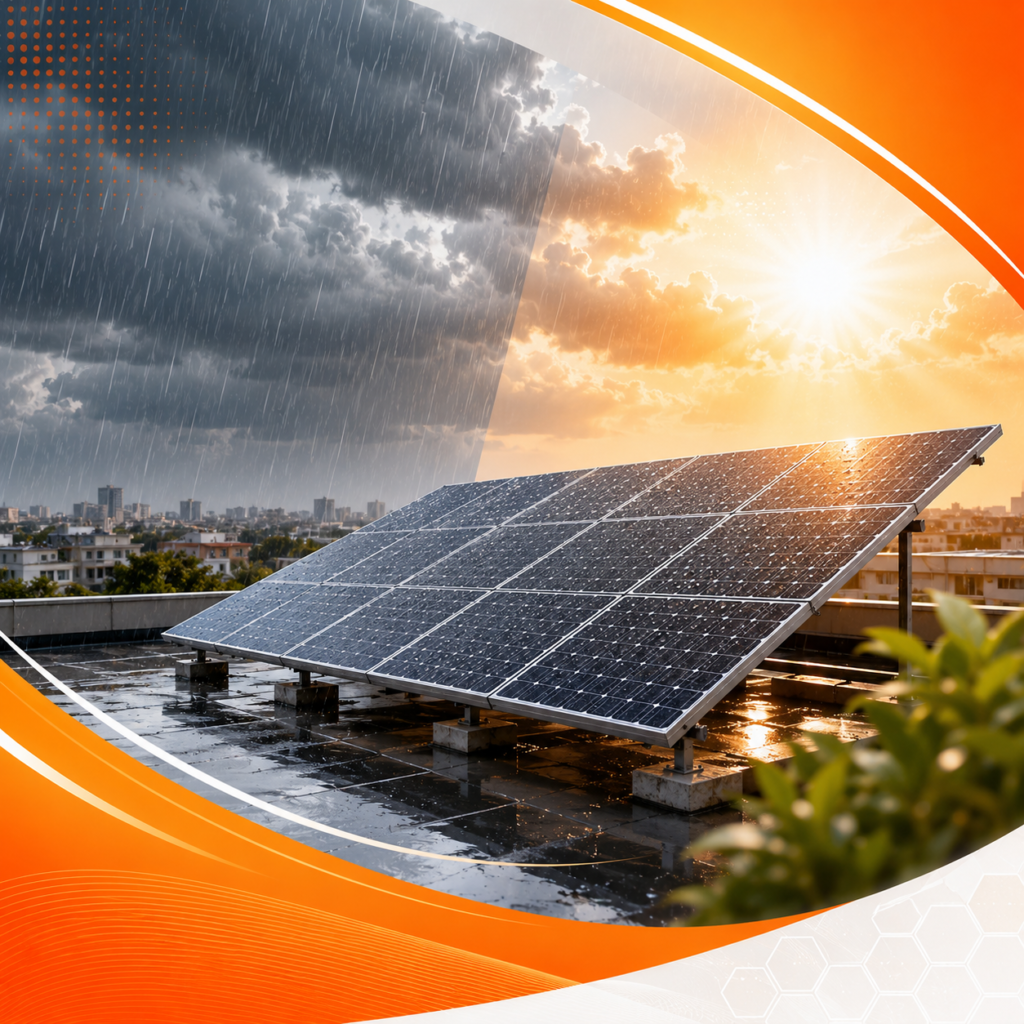
Is a Rooftop Solar Plant Beneficial During the Monsoon Season? Everything You Need to Know The arrival of the monsoon brings relief from the summer heat, but it also raises a common question among homeowners and businesses: “Will my rooftop solar plant work efficiently during the rainy season?” Many people believe that solar panels stop generating electricity when the sky is cloudy or when it rains. However, this is one of the biggest myths about solar energy. The truth is that a rooftop solar plant continues to generate electricity throughout the monsoon, although its output may be lower than during peak summer days. Modern solar technology is designed to capture both direct and diffused sunlight, making it a reliable source of renewable energy all year round. In this article, we’ll explain how a rooftop solar system performs during the monsoon, its benefits, maintenance tips, and whether installing solar is still a smart investment if you live in a region with heavy rainfall. How Does a Rooftop Solar Plant Work During the Monsoon? A rooftop solar plant converts sunlight into electricity using photovoltaic (PV) cells. Contrary to popular belief, these cells do not require bright sunshine to produce power. They generate electricity whenever sunlight reaches the panels, including the diffused sunlight available on cloudy or rainy days. During the monsoon, electricity generation may reduce by around 20–50%, depending on cloud cover, rainfall intensity, geographical location, and the orientation of the solar panels. However, this temporary reduction is usually balanced by higher power generation during the remaining months of the year. Most professionally designed solar power systems are engineered based on annual solar irradiation rather than a single season. This ensures consistent yearly energy production and long-term savings. Does Rain Improve or Reduce Solar Panel Performance? Rain has both positive and temporary negative effects on solar panel performance. On heavily overcast days, reduced sunlight means lower electricity generation. However, rainfall naturally cleans the surface of solar panels, removing accumulated dust, pollen, and bird droppings. Cleaner panels absorb more sunlight once the weather clears, often improving efficiency without additional cleaning costs. Modern PV modules are manufactured with durable tempered glass and weather-resistant frames. They are tested to withstand heavy rain, moisture, humidity, and varying temperatures, making them suitable for diverse climatic conditions. Therefore, while short-term power generation may decrease during continuous rainfall, the cleaning effect of rain contributes to maintaining optimal performance over time. Benefits of Installing a Rooftop Solar System Even During Monsoon Many prospective buyers postpone solar installation because they worry about seasonal performance. In reality, a rooftop solar system remains beneficial throughout the year for several reasons. 1. Continuous Power Generation Solar panels continue producing electricity even under cloudy conditions using diffused sunlight. 2. Lower Electricity Bills Although monsoon generation may be slightly lower, annual savings remain substantial because solar systems produce surplus energy during sunnier months. 3. Net Metering Benefits If your state offers net metering, excess electricity generated during high-production months can offset consumption during periods of lower generation, maximizing your return on investment. 4. Environment-Friendly Energy A solar power system reduces dependence on fossil fuels and lowers carbon emissions throughout the year, regardless of the season. 5. Long-Term Investment Modern rooftop solar plants have an operational life of 25–30 years. A few cloudy months each year have minimal impact on their long-term financial benefits. Monsoon Maintenance Tips for Rooftop Solar Plants Although solar panels require minimal maintenance, following a few precautions during the rainy season can help maintain optimum performance. Inspect the mounting structure for any loose bolts or corrosion. Ensure rainwater drains properly and no waterlogging occurs around electrical components. Regularly monitor inverter performance using the mobile app or display panel. Keep surrounding trees trimmed to avoid excessive shading. Schedule preventive maintenance by a qualified solar technician at least once a year. Avoid climbing onto the roof during heavy rainfall for safety reasons. Most quality solar installations are designed with waterproof connectors, weatherproof junction boxes, and proper earthing to ensure safe operation during monsoon conditions. Final Verdict: Is a Rooftop Solar Plant Worth It During the Monsoon? The simple answer is Yes. A rooftop solar plant continues generating electricity during the monsoon using available sunlight. Although production may temporarily decrease because of dense cloud cover, this does not significantly affect the overall annual performance of the system. Rain also helps keep solar panels clean, reducing dust accumulation and supporting better efficiency once clear skies return. When combined with proper installation, periodic maintenance, and net metering, a rooftop solar system remains one of the smartest long-term investments for homes, commercial buildings, and industries. Instead of evaluating solar performance based on a single season, it is important to consider the total annual energy generation and savings. Over its lifespan of 25–30 years, a professionally installed solar power system delivers reliable electricity, lower energy bills, and meaningful environmental benefits. If you’re planning to invest in renewable energy, don’t let the rainy season delay your decision. A high-quality rooftop solar plant is designed to perform throughout the year and continues delivering value even when the monsoon arrives.

Uncategorized

Battery Energy Storage Systems (BESS): India’s Next Strategic Industry After Solar | NextBrio Group

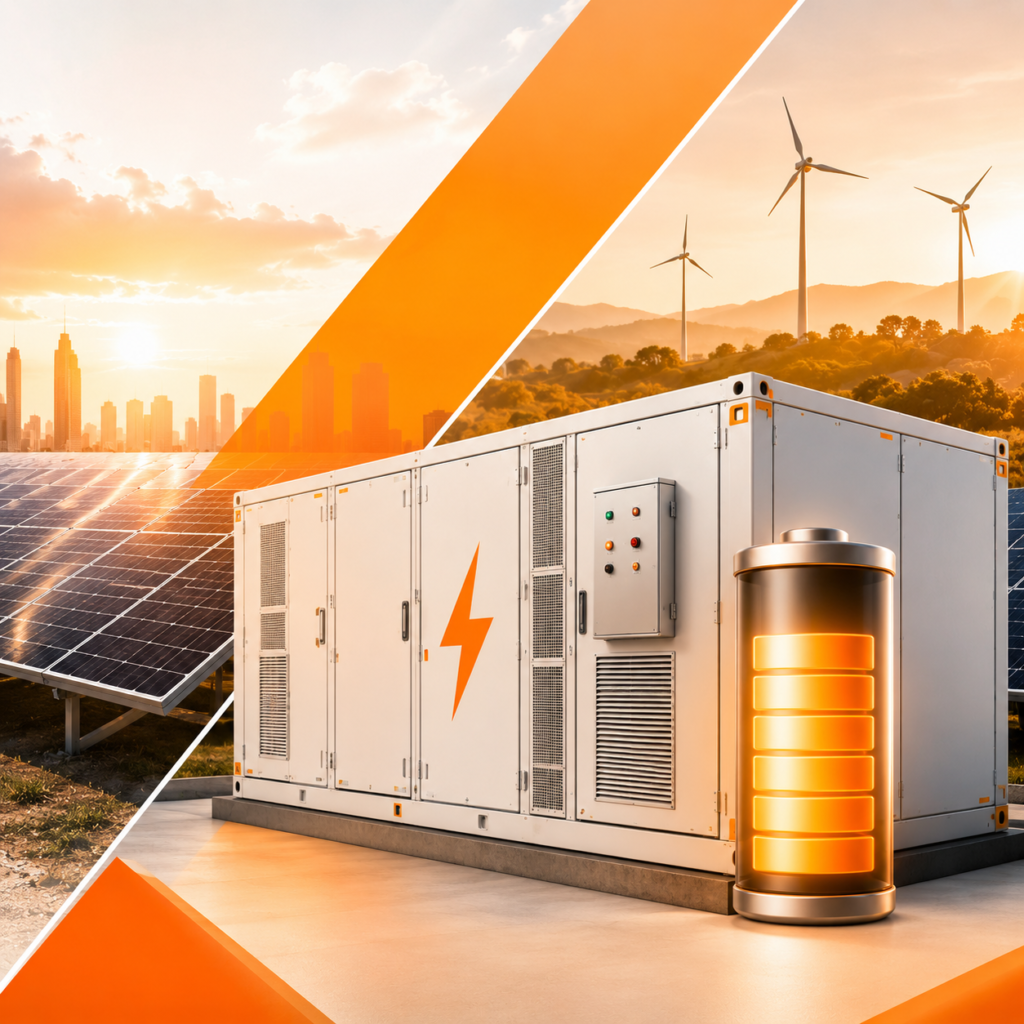
Battery Energy Storage Systems (BESS): India’s Next Strategic Industry After Solar India has emerged as one of the world’s fastest-growing renewable energy markets, with solar power leading the country’s transition toward clean energy. However, as renewable energy adoption continues to grow, one major challenge remains—energy storage. Solar energy is available only during daylight hours, while electricity demand continues around the clock. This is where Battery Energy Storage Systems (BESS) become a game-changing technology. Battery Energy Storage Systems are expected to become India’s next strategic industry after solar manufacturing. With increasing government support, rising renewable energy capacity, and significant investments from both domestic and global players, BESS is poised to play a crucial role in achieving India’s clean energy and net-zero ambitions. What is a Battery Energy Storage System (BESS)? A Battery Energy Storage System (BESS) is an advanced technology that stores electricity generated from renewable energy sources such as solar and wind. The stored energy can be supplied back to homes, industries, commercial establishments, or the electricity grid whenever required. In simple terms, a BESS acts like a large rechargeable battery that stores excess electricity during periods of high generation and delivers it when demand increases or renewable generation decreases. This capability helps create a stable, reliable, and efficient electricity supply. Why Does India Need Battery Energy Storage Systems? India has set ambitious renewable energy targets and continues to rapidly expand solar and wind power generation. However, renewable energy is naturally intermittent because sunlight and wind are not available throughout the day. Battery Energy Storage Systems help overcome this limitation by: Storing excess solar energy generated during daytime. Providing electricity during night time. Reducing dependency on conventional fossil-fuel power plants. Improving grid stability. Supporting uninterrupted power supply during peak demand. As India’s renewable energy capacity increases, energy storage will become equally important. How Does BESS Work? The working principle of a Battery Energy Storage System is simple: Solar panels or wind turbines generate electricity. Excess electricity charges the battery system. Battery Management Systems (BMS) monitor battery health and performance. During power demand or low renewable generation, stored electricity is supplied through an inverter. The electricity is delivered to homes, businesses, industries, or the national grid. This process ensures efficient utilization of renewable energy throughout the day. Key Benefits of Battery Energy Storage Systems 1. Reliable Power Supply BESS provides uninterrupted electricity during grid failures, power outages, or peak demand periods. 2. Better Utilization of Solar Energy Instead of wasting surplus solar power, the energy is stored and used later when required. 3. Grid Stability Battery storage balances electricity supply and demand, reducing fluctuations in voltage and frequency. 4. Lower Electricity Costs Consumers and businesses can store electricity when tariffs are lower and use it during expensive peak hours. 5. Supports Renewable Energy Integration Energy storage enables higher penetration of solar and wind energy into the electricity grid. 6. Environmental Sustainability Battery storage reduces dependence on diesel generators and fossil fuel-based power generation, leading to lower carbon emissions. Applications of Battery Energy Storage Systems Battery Energy Storage Systems are finding applications across multiple sectors. Residential Sector Rooftop solar energy storage Backup power during outages Smart home energy management Commercial Buildings Peak demand management Energy cost optimization Reliable backup power Industrial Sector Manufacturing facilities Data centers Warehouses Large industrial operations Utility Scale Projects Grid balancing Renewable energy integration Frequency regulation Load shifting Electric Vehicle Infrastructure Fast charging stations Charging load management Renewable-powered EV charging networks Government Initiatives Driving BESS Growth The Government of India has identified Battery Energy Storage Systems as a strategic priority for strengthening the country’s energy infrastructure. Several initiatives are supporting this transition: Promotion of renewable energy integration. Development of domestic battery manufacturing. Investments in grid modernization. Encouragement of energy storage deployment. Support for advanced battery technologies. Strengthening the “Make in India” manufacturing ecosystem. These initiatives are expected to significantly accelerate India’s battery manufacturing industry over the coming years. Business Opportunities in India’s BESS Industry The BESS ecosystem creates opportunities for multiple stakeholders. Manufacturers Battery manufacturing Battery pack assembly Battery Management Systems Power electronics EPC Companies Battery installation System integration Commissioning services Renewable Energy Companies Solar plus storage solutions Hybrid renewable energy projects Service Providers Annual Maintenance Contracts (AMC) Remote monitoring System diagnostics Technical support As the market expands, demand for skilled professionals and technology providers will continue to increase. Challenges Before the Industry Despite its strong growth potential, the BESS sector faces certain challenges: High initial investment costs Dependence on imported battery materials Recycling and end-of-life battery management Limited domestic manufacturing capacity Need for skilled workforce Rapid technological evolution Addressing these challenges will require collaboration between government, manufacturers, technology companies, and research institutions. The Future of Battery Energy Storage in India India’s renewable energy journey is entering its next phase. While solar power has transformed electricity generation, Battery Energy Storage Systems will transform how energy is stored, managed, and utilized. As battery costs continue to decline and technology advances, BESS will become an integral part of residential, commercial, industrial, and utility-scale energy infrastructure. Industry experts anticipate significant growth in energy storage deployment over the next decade, making BESS one of India’s most promising strategic industries. For manufacturers, investors, policymakers, and renewable energy companies, the coming years present an excellent opportunity to participate in building a cleaner, more resilient, and energy-secure India. Conclusion Battery Energy Storage Systems are no longer an emerging technology—they are becoming a fundamental component of India’s clean energy ecosystem. By enabling efficient renewable energy utilization, improving grid reliability, reducing electricity costs, and supporting sustainable development, BESS is positioned to become India’s next strategic industry after solar. As India moves toward its long-term renewable energy and net-zero goals, organizations that invest in innovation, quality, and advanced energy storage solutions will play a critical role in shaping the future of the country’s energy landscape.

Uncategorized

Why Manufacturing TOPCon Solar Cells Demands Semiconductor-Level Precision

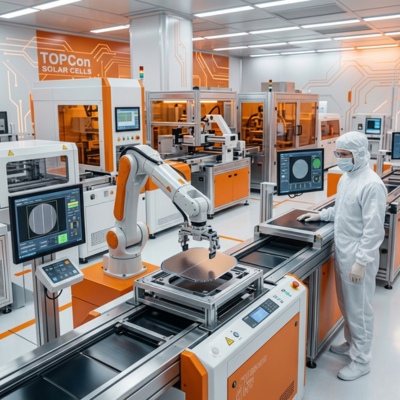
Why Manufacturing TOPCon Solar Cells Demands Semiconductor-Level Precision The solar industry is evolving rapidly, and TOPCon (Tunnel Oxide Passivated Contact) technology has emerged as the next generations of high-efficiency solar cells. While many people focus on the wattage of a solar panel, the real innovation happens much earlier—during the manufacturing of the solar cells themselves. Creating a TOPCon solar cell is a highly sophisticated process that requires the same level of precision used in semiconductor manufacturing. Every nanometer, every micron, and every production step play a crucial role in delivering higher efficiency, better performance, and long-term reliability. Let’s explore why TOPCon solar cell manufacturing is considered one of the most advanced engineering processes in the renewable energy industry. The Shift from PERC to Advanced TOPCon Technology Traditional PERC (Passivated Emitter and Rear Cell) technology has served the solar industry well for years. However, TOPCon technology represents a major leap forward by reducing energy losses and improving the flow of electricity within the solar cell. This advancement allows TOPCon cells to achieve higher conversion efficiency, better low-light performance, and improved durability, making them an ideal choice for modern residential, commercial, and industrial solar installations. The secret behind these advantages lies in the sophisticated manufacturing techniques used to build each solar cell. Precision Manufacturing at the Nanometer Level Manufacturing a TOPCon solar cell is far more complex than assembling a standard solar panel. It involves several highly controlled processes that demand extreme precision. Some of the critical manufacturing steps include: Formation of an ultra-thin tunnel oxide layer measuring only 1–2 nanometers Doped polysilicon deposition using Low Pressure Chemical Vapor Deposition (LPCVD) Surface passivation through PECVD silicon nitride coating High-precision laser processing Fine-line metallization for efficient electrical conductivity Even the slightest variation in temperature, material thickness, diffusion profile, or electrical contact resistance can affect the cell’s efficiency. That’s why manufacturers maintain exceptionally tight process controls throughout production. AI-Powered Quality Control Ensures Superior Performance Modern TOPCon manufacturing facilities rely heavily on automation and artificial intelligence to maintain consistent quality. Advanced quality assurance technologies include: AI-driven Quality Assurance systems Inline Electroluminescence (EL) Imaging to detect microscopic defects Automated Optical Inspection (AOI) Real-time Statistical Process Control (SPC) These intelligent systems detect even the smallest imperfections before the cells move to the next stage of production. This results in higher manufacturing yield, improved reliability, and consistently high-performing solar panels. Additionally, laser-assisted metallization helps reduce silver consumption while enhancing electrical performance, making the manufacturing process both efficient and cost-effective. Why Every Nanometer Matters in Solar Cell Manufacturing The performance of a solar panel begins with the quality of its solar cells. In TOPCon manufacturing, even a microscopic defect can impact energy generation over the panel’s lifetime. That’s why every nanometer of tunnel oxide, every micron of metallization, and every production parameter is carefully monitored and optimized. This semiconductor-level precision enables manufacturers to produce millions of high-efficiency solar cells that deliver reliable performance for over 25 years. Final Conclusions TOPCon technology is redefining the future of solar energy by combining advanced semiconductor engineering with precision manufacturing. From ultra-thin tunnel oxide formation and AI-driven quality inspection to predictive maintenance and Six Sigma process control, every stage of production is designed to maximize efficiency and reliability. As the demand for clean energy continues to grow, choosing solar panels built with TOPCon technology means investing in superior performance, higher energy generation, and long-term value. Behind every high-performing solar panel is a manufacturing process where precision is not just important—it’s essential.

Uncategorized

Why Solar Rooftop is the Best Investment in 2026 | You Still Have Time

Why Solar Rooftop is the Best Investment in 2026 Electricity costs are rising every year, while the demand for clean and reliable energy continues to grow. In 2026, investing in a solar rooftop system is no longer just an eco-friendly decision—it’s one of the smartest financial investments for homeowners and businesses alike. A rooftop solar system helps you generate your own electricity, reduce your monthly power bills, increase your property value, and contribute to a greener future. Whether you own a home, a commercial building, a school, a hospital, or an industrial facility, solar power offers long-term savings with minimal maintenance. Let’s explore why 2026 is the perfect time to invest in solar rooftop solutions. Save Big on Electricity Bills One of the biggest advantages of installing a solar rooftop system is significant savings on electricity expenses. Solar panels convert sunlight into electricity that powers your home or business during the day. This means you purchase less electricity from the grid, resulting in lower monthly electricity bills. Depending on your energy consumption and system size, you can save up to 70–90% on your electricity costs. Over the lifetime of the system, these savings can amount to several lakhs of rupees. For businesses with high power consumption, solar can greatly reduce operational costs and improve overall profitability. Excellent Return on Investment Unlike many investments that fluctuate with market conditions, solar rooftop systems provide predictable financial returns. Most solar systems recover their installation cost within 3–6 years, depending on electricity consumption and local policies. Since quality solar panels typically last 25 years or more, the remaining years generate virtually free electricity. This makes solar one of the few investments that continues to deliver financial benefits every single day. Low Maintenance With Long Term Performance Modern solar panels are built to withstand harsh weather conditions and require very little maintenance. Basic cleaning and routine inspections are usually enough to maintain optimal performance. Annual Maintenance Contracts (AMC) can further ensure that your system operates efficiently throughout the year. With professional maintenance, you can maximize energy generation while extending the lifespan of your solar investment. Increase Your Property Value A property equipped with a solar rooftop system becomes more attractive to buyers and investors. Homes and commercial buildings with lower electricity expenses often command better resale value. Buyers recognize the long-term savings and environmental benefits associated with solar installations. Installing solar today is not just an upgrade—it’s an investment that adds lasting value to your property. Why 2026 is the Right Time to Go Solar Several factors make 2026 an ideal year for solar adoption: Rising electricity tariffs increase monthly savings. Improved solar technology offers better efficiency than ever before. Quality solar panels now deliver higher performance with longer warranties. Growing awareness of renewable energy makes solar a future-ready investment. Increasing demand for energy independence encourages homeowners and businesses to generate their own power. Waiting longer often means paying higher electricity bills while missing years of potential savings. Conclusion A solar rooftop system is more than just an energy solution—it’s a long-term investment in financial security, sustainability, and energy independence. Whether your goal is to reduce electricity bills, improve your property’s value, or contribute to a cleaner environment, solar delivers benefits that continue for decades. If you’re planning to switch to solar in 2026, now is the perfect time to consult a trusted solar provider, assess your energy needs, and begin your journey toward smarter, greener energy. Ready to invest in solar? Contact our team today for a free consultation and discover the ideal solar rooftop solution for your home or business.

Uncategorized

Why Annual Maintenance of Solar Panels is Important ?

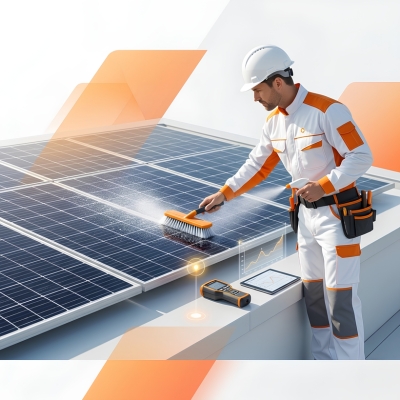
Annual Maintenance Contract (AMC) for Solar Systems Protect Your Investment and Maximize Energy Generation Why Solar Systems Need Regular Maintenance Installing a solar power system is a long-term investment that provides clean energy and significant savings on electricity bills. However, many solar plant owners assume that solar systems are completely maintenance-free. While solar panels are highly durable and designed to operate for over 25 years, regular maintenance is essential to ensure optimal performance and longevity. A solar system that goes without maintenance can lose 10%–20% of its energy output within 3–5 years, leading to annual generation losses of approximately 7,000 to 10,000 kWh. For example, a 5KW solar plant can incur yearly losses of approximately INR 19,000 due to reduced efficiency and lower energy generations. Additionally, lack of maintenance increases the risk of panel degradation, loose electrical connections, and expensive inverter breakdowns, resulting in unexpected repair costs. This is why a professional Annual Maintenance Contract (AMC) is highly recommended for every solar system owner. What is Solar AMC ? An Annual Maintenance Contract (AMC) is a preventive maintenance service designed to enhance the performance, reliability, and lifespan of solar assets. Unlike warranty claims that cover manufacturing defects or reactive repair calls that address existing faults, AMC focuses on preventing problems before they occur. A solar AMC covers everything that a warranty does not, including: Professional module cleaning Preventive maintenance inspections Generation performance monitoring Electrical health checks Inverter inspections Cable and connector assessments Early fault detection and correction Regular maintenance can improve system efficiency by up to 30%, helping solar owners maximize returns on their investment while ensuring uninterrupted energy generation. Scope of AMC Services A comprehensive AMC from NextBrio Group includes the following services: Panel Cleaning Solar panels are cleaned using soft brushes and spray guns with deionized cleaning solution to ensure safe and effective removal of dust, dirt, and other contaminants. Pre-cleaning and post-cleaning photographs are provided for verification. Generation Performance Report Monthly or quarterly performance reports compare actual energy generation against expected output, helping identify performance deviations and efficiency losses. String Performance Analysis Output currents across parallel strings are analyzed to identify underperforming modules or strings. This critical check alone can prevent 30–40% of long-term generation losses. Spare Support NextBrio provides direct supply of connectors, wires, insulators, panel replacements, and other required spares from its inventory. Spare parts are charged on an actual basis against GST invoices. Health Check Up Charges ( One time) Features 1KW-4KW 5KW-10KW 10KW & Above Health Check-up of Solar System Rs. 299 Rs.499 Rs.799 Performance & Analysis Report will be given based on actual basis. Annual Maintenance Contract Packages 1KW – 3KW Systems Features Silver Gold Preventive Maintenance Visits/Year 3 6 Specialized Module Cleaning/Year 3 6 On Call Support Yes Yes Performance & Analysis Report – Yes Discount on Spare – 10% Break Down Maintenance 3 Working Days 2 Working Days Rates INR 2999/- INR- 4999/ (Introductory Offer 20% Discount) 4KW – 10KW Systems Features Silver Gold Preventive Maintenance Visits/Year 3 6 Specialized Module Cleaning/Year 3 6 On Call Support Yes Yes Performance & Analysis Report – Yes Discount on Spare – 10% Break Down Maintenance 3 Working Days 2 Working Days Rates INR 3499/- INR- 5499/ (Introductory Offer 20% Discount) Warranty Does Not Cover Everything Many customers believe their product warranty protects them against every issue. This is a common misconception. Warranty Covers Manufacturing Defects Product failures under specified conditions AMC Covers Regular cleaning Preventive inspections Performance optimisation Electrical safety checks Early fault detection System efficiency improvement Routine servicing and maintenance What Is Included In NextBrio AMC Our Comprehensive AMC include Multiple professional panel cleaning visits every year Annual inverter preventive health check Complete AC/DC cable inspection Earthing and electrical safety inspection Mounting structure inspection Generation performance analysis Preventive maintenance report System health report Recommendations for performance improvement Priority customer support Why To Choose NextBrio Group By enrolling in our AMC, you benefit from: Up to 30% improvement in system efficiency (depending on site conditions) Higher annual electricity generation Faster return on your solar investment Longer equipment life Reduced risk of inverter failures Lower maintenance and repair costs Improved safety and reliability Complete peace of mind Terms & Conditions Preventive visits concurrent with module cleaning visits. In Silver package, one visit every 4 months; Gold package, one visit every 2 months shall be offered. Please refer to the detailed terms & conditions applicable to each of the features mentioned above. Any visit beyond the maximum mandated as per the chosen package shall be on a chargeable basis of INR500/-. In case of Inverter breakdown. Complaint will be logged with the OEM. For INVT Inverter repairing will be done in 3 to 4 days. All payments to be done in advance. G.S.T charges are applicable on above rates. Spare parts will be charged on actual basis. Loading…

Scroll to Top